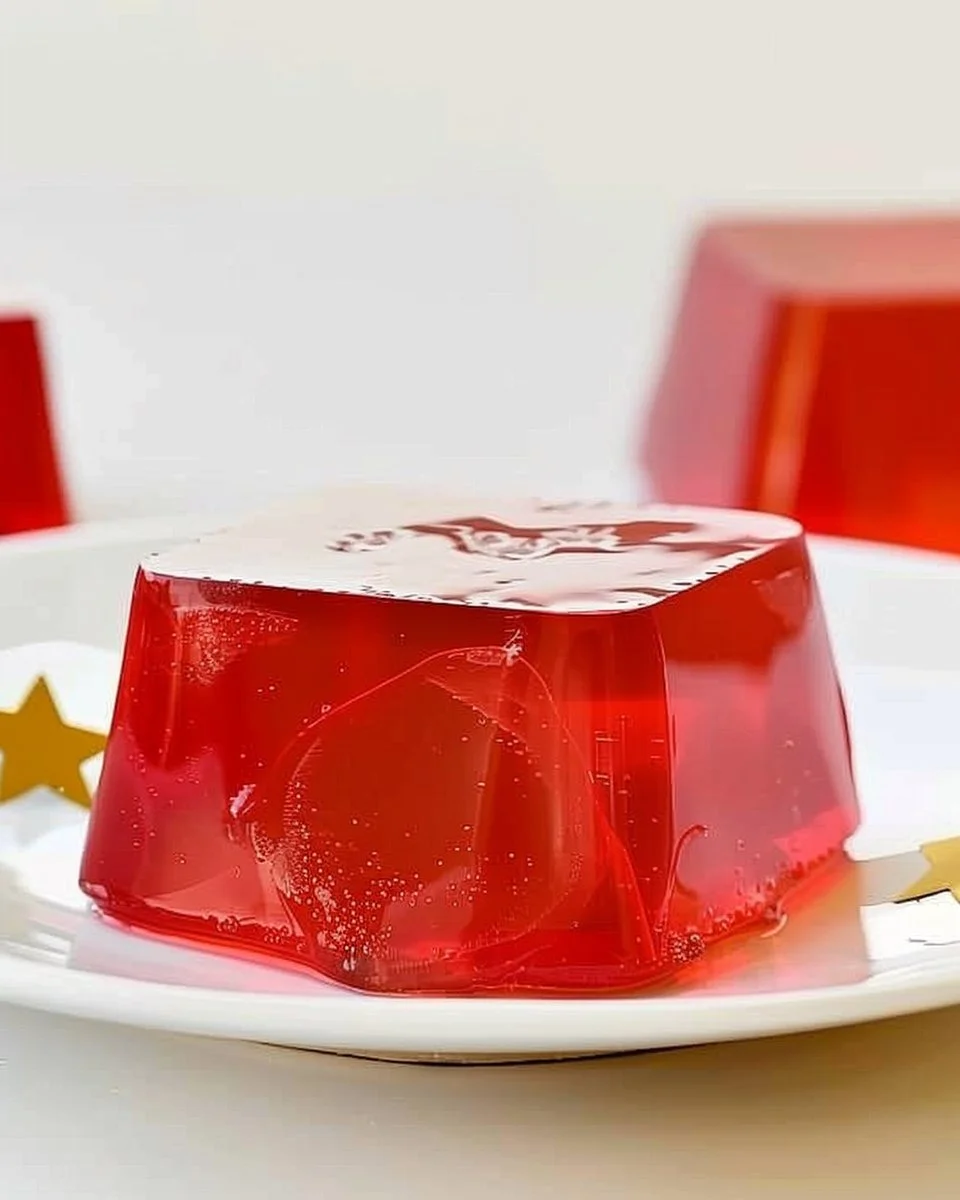
Bariatric Gelatin Jello is a gentle, protein-forward snack many people recovering from bariatric surgery find soothing and satisfying. This light, wobbly dessert offers hydration, a touch of flavor, and a boost of gentle protein when made with powdered gelatin — making it ideal for early-stage post-op eating or anyone wanting a low-calorie, easy-to-eat treat.
Why make this recipe
Bariatric Gelatin Jello checks several helpful boxes: it’s simple to digest, easy to portion, and quick to prepare. After bariatric surgery, patients often need soft, high-protein, low-fat foods that are easy on the stomach; gelatin provides collagen-based protein and sets into a texture that’s gentle on sensitive mouths and healing tissues. For people not recovering from surgery, this recipe still makes a refreshing, low-calorie snack that’s customizable and kid-friendly.
Beyond recovery benefits, gelatin is hydrophilic and helps keep water in the gut, supporting hydration. The recipe is also convenient: you can prepare a batch, portion it into small cups, and refrigerate for grab-and-go snacks. Because it relies on common pantry ingredients, it’s cost-effective and adaptable for various dietary preferences.
How to make Bariatric Gelatin Jello
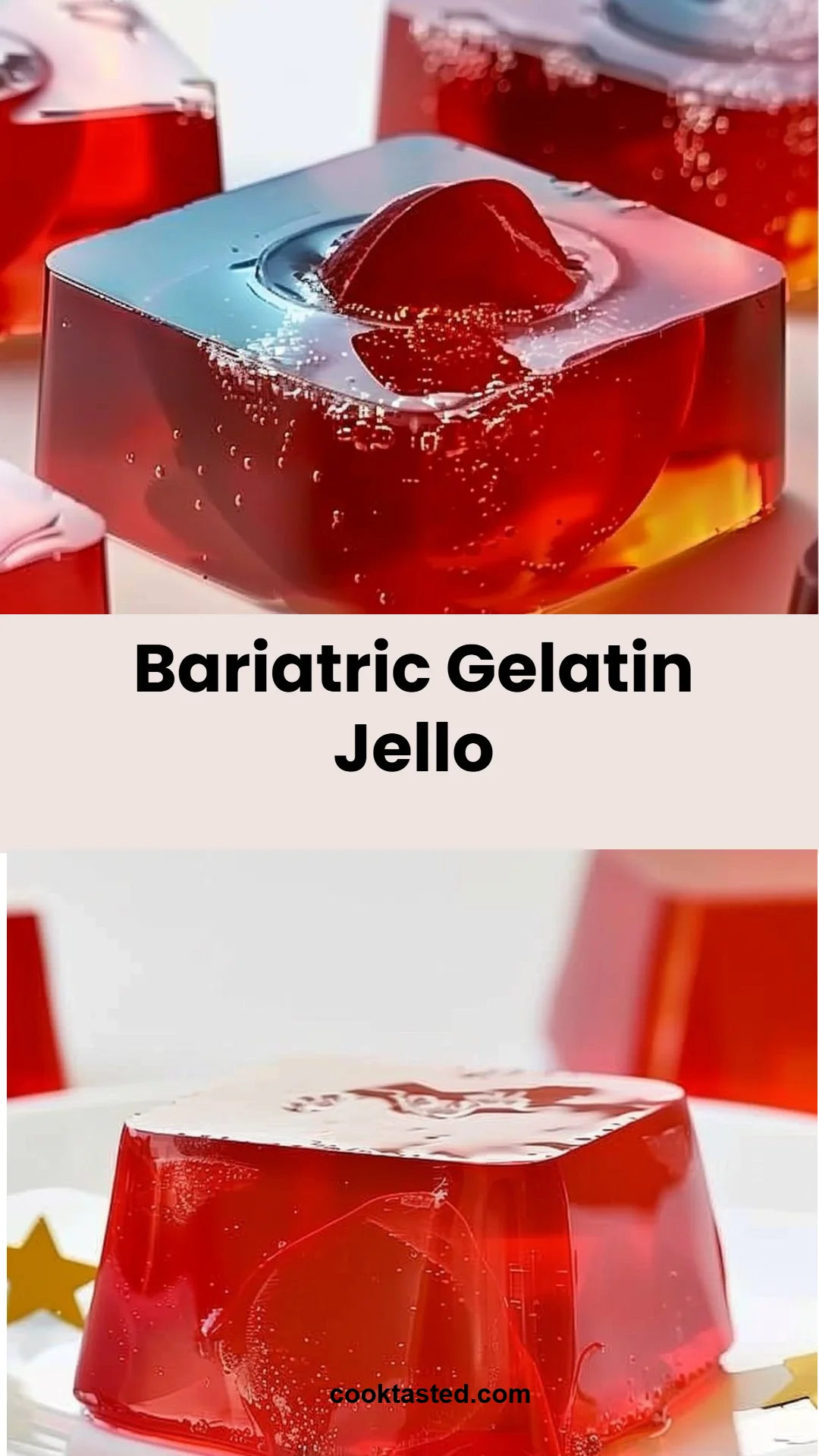
This version of Bariatric Gelatin Jello keeps things straightforward: a simple ratio of powdered gelatin to liquid yields a firm, pleasant set without added sugars or artificial ingredients when you choose 100% juice or naturally sweetened options. Follow the steps closely so the gelatin dissolves completely and the texture turns out smooth.
Ingredients :
- 3 tablespoons powdered gelatin
- 1 cup fruit juice (e.g., apple or orange juice)
- 1 cup water
Ingredient notes and substitutions:
- Use 100% fruit juice with no added sugars if you want natural sweetness. For lower sugar, mix half juice with half unsweetened flavored sparkling water or use diluted juice.
- If you prefer unflavored gelatin for savory or neutral preparations, add a sugar-free sweetener and a few drops of flavor extract (vanilla, lemon) to taste.
- For a higher-protein version, consider using collagen hydrolysate in place of part of the powdered gelatin — note that collagen hydrolysate won’t gel as firmly, so keep some regular gelatin if you want a traditional jello texture.
- If you’re avoiding fruit juice for medical reasons, herbal tea or decaffeinated, mild-flavored broths can be used for a savory gelatin; adjust sweeteners and flavors accordingly.
- If a recipe originally listed alcohol or pork-based ingredients, swap them for mild vinegar/lemon or chicken/turkey alternatives as needed; this recipe is already family- and bariatric-friendly.
Directions :
- In a saucepan, combine fruit juice and water. Heat gently until warm.
- Sprinkle the powdered gelatin over the warm liquid and stir until dissolved completely.
- Pour the mixture into molds or a container.
- Refrigerate for at least 2-4 hours or until set.
- Serve chilled and enjoy as a refreshing, low-calorie snack.
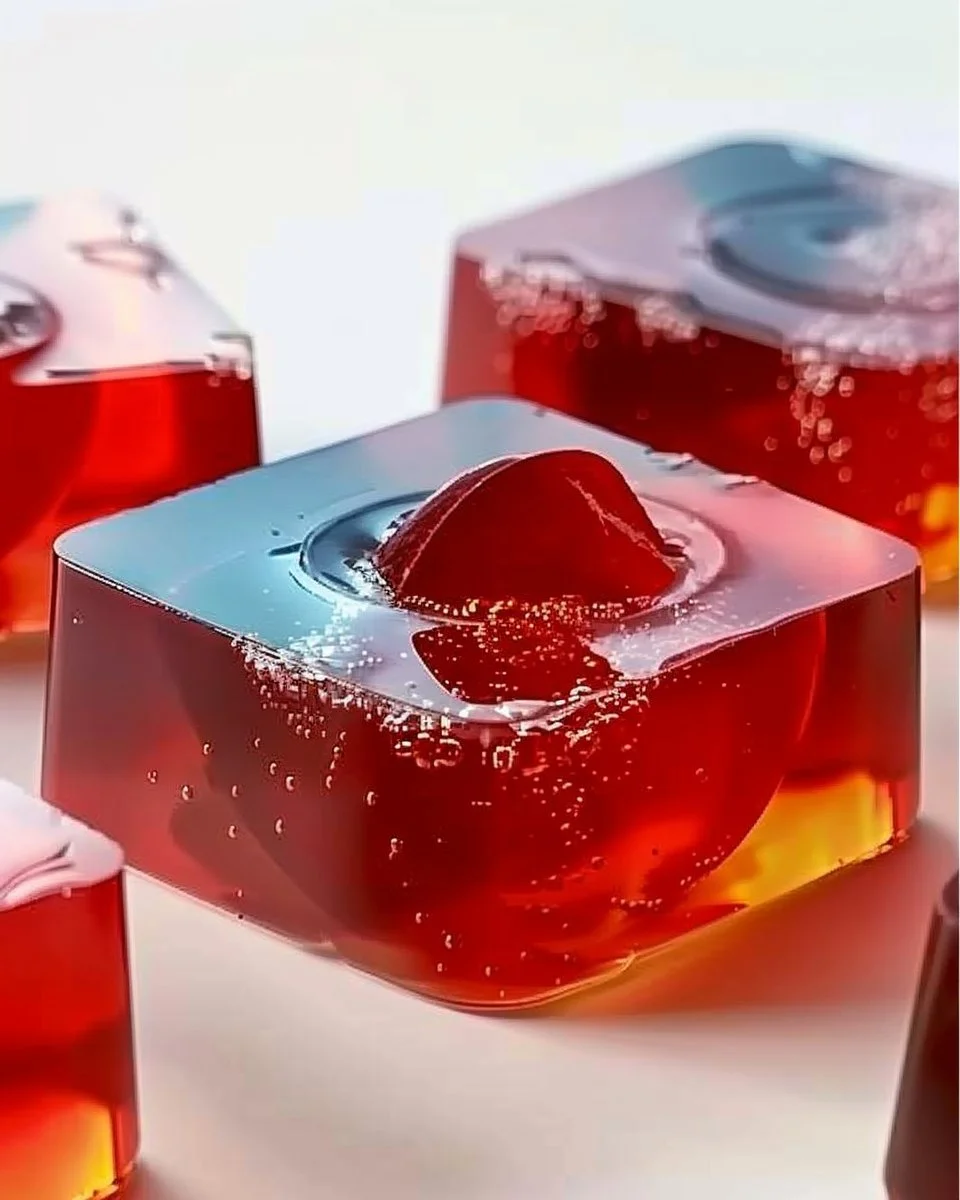
Pro Tips for Success Bariatric Gelatin Jello
- Bloom the gelatin correctly: sprinkle the powdered gelatin evenly over the warm liquid and let it sit for a minute before stirring. This helps eliminate lumps and ensures even hydration.
- Avoid boiling: heat the liquid until warm or gently hot, but do not boil. Boiling can affect gelatin’s setting properties and may make the texture slightly rubbery.
- Stir thoroughly: once the gelatin is sprinkled and allowed to soften, stir until fully dissolved. Use a whisk for a lump-free finish.
- Chill undisturbed: place molds or containers flat in the refrigerator and avoid moving them while setting. Even slight jostling can create uneven textures or bubbles.
- Test firmness: if your gelatin is too soft for your liking, next time use slightly less water or add an additional 1/2 teaspoon of powdered gelatin. If it’s too firm, increase the liquid fraction a bit.
- Portion for post-op needs: for bariatric contexts, divide the batch into small 1–2 ounce servings to match dietary stage and protein goals.
Flavor Variations Bariatric Gelatin Jello
- Citrus Medley: Use half orange juice and half water, then add a small splash of lemon or lime juice for brightness. Garnish with a tiny sprig of fresh mint for aroma.
- Berry-Infused: Use a strong, strained berry juice (like blackcurrant or blended strawberry juice) and add a teaspoon of pureed berries before setting for extra color and subtle texture.
- Ginger-Lemon: Add a thin slice of peeled ginger to the liquid while warming, then remove before pouring into molds. Stir in a teaspoon of lemon zest for a soothing digestive-friendly option.
- Herbal Twist: Replace the water with cooled chamomile or ginger tea mixed with juice for a calm, aromatic snack that can help with digestion.
- Sugar-Free Citrus: Make the set with diluted juice and a couple of drops of orange extract, then use a small amount of a bariatric-friendly sweetener if desired.
Serving Suggestions Bariatric Gelatin Jello
- Small cups: For bariatric patients or anyone preferring smaller portions, spoon the gelatin into 2–3 ounce disposable or reusable cups for single servings.
- Layered parfaits: Alternate thin layers of gelatin with small dollops of Greek yogurt (if allowed) or a light cottage cheese for added protein and texture contrast.
- Fresh garnish: A sliver of softened fruit (a thin apple slice or a small wedge of orange) can add visual appeal and a hint of natural fiber; keep pieces small for early post-op diets.
- Chill before serving: Serve cold to enhance the refreshing quality; warm conditions can soften the set and reduce the pleasant wobble.
- Sipping spoon: Provide a small spoon or spatula for easy consumption by those who need controlled, small bites.
Storage and Freezing Instructions Bariatric Gelatin Jello
- Refrigerator storage: Covered in an airtight container, gelatin will keep in the refrigerator for up to 5 days. For best texture, consume within 3 days.
- Avoid strong odors: Store gelatin away from pungent foods (like strong cheeses) to prevent flavor transfer.
- Freezing: Gelatin can be frozen, but texture will change. Freeze in an airtight container for up to one month. Thaw slowly in the fridge; expect a slightly softer, more watery texture after thawing. For bariatric or delicate tastes, refrigeration-only storage is usually preferred.
- Portion before storing: If you want to thaw single servings, freeze in individual silicone molds or ramekins to make thawing and serving easier.
- Re-setting after thaw: If thawed gelatin appears watery, you can gently warm and re-set it by dissolving in a small amount of warmed juice and refrigerating again, but repeated heating can reduce quality.
Nutrition Facts (Per Serving)
Serving size: 1 of 4 servings (about 1/2 cup)
- Calories: 46 kcal
- Protein: 4.5 g
- Carbohydrates: 7 g
- Fat: 0 g
- Fiber: 0 g
- Sodium: 40 mg
Notes on nutrition:
- These numbers are estimates based on 3 tablespoons (about 21 g) of powdered gelatin and 1 cup (240 ml) of apple or orange juice, divided into four servings. Using different juices or brands will change calorie and carbohydrate counts.
- Gelatin contributes the majority of the protein in this recipe. If you want a higher-protein dessert, consider adding a small scoop of unflavored protein powder compatible with gelatin (test for texture) or serving alongside a protein-rich side like a small portion of Greek yogurt.
- For a lower-carb option, dilute the juice with more water or use a sugar-free flavored base and a zero-calorie sweetener.
FAQ About Bariatric Gelatin Jello
What is bariatric gelatin jello and why is it commonly recommended after weight-loss surgery?
Bariatric gelatin jello is a simple gelled snack made from powdered gelatin and mild liquids, often used as an early-stage soft food following bariatric procedures. Providers commonly recommend it because it’s easy to swallow, gentle on the stomach, and helps patients stay hydrated. The gelatin supplies collagen-derived protein in a form that’s typically well-tolerated by recovering digestive systems. It also allows caregivers to offer a controlled, small-portion taste of sweetness without heavy fats or difficult-to-digest textures.
How much protein does gelatin provide and is it enough for post-op needs?
Gelatin and collagen-based powders are primarily protein and do contribute several grams of protein per serving; in this recipe, about 3 tablespoons of powdered gelatin yields roughly 18 grams of protein total. Divided into four servings, that’s about 4.5 grams per serving. While this helps, most bariatric patients need to supplement with higher-protein foods or protein supplements as directed by their surgical team. Use this jello to support hydration and mild protein intake, not as the sole protein source.
Can I use sugar-free or artificial sweeteners in this recipe?
Yes, sugar-free and low-calorie sweeteners can be used to reduce carbohydrate and calorie content. If you choose a sugar-free option, taste the warm liquid before adding gelatin so you can adjust sweetness as needed. Some sweeteners pair better with certain juices and flavors; mix-and-match a small test batch if you’re experimenting. For bariatric patients, consult your provider about specific sweeteners if you have dietary restrictions or sensitivities.
Is it safe to give this jello to children or elderly family members?
This gelatin recipe is generally safe and suitable for children and older adults, especially when they need a soft, hydrating snack. Take care with portion size for small children, and ensure elderly people who have swallowing difficulties consult with a medical professional about consistency and appropriateness. For those at different stages of dietary progression (e.g., immediate post-op vs. later stages), adjust serving size and optional additions accordingly.
How do I fix lumpy or poorly set gelatin?
Lumpy gelatin usually comes from sprinkling the powder into boiling liquid or not giving the powder a chance to bloom. If you see lumps, gently reheat the mixture on low and whisk until the lumps dissolve, then cool and refrigerate again. If the gelatin won’t set, it may be that the liquid-to-gelatin ratio is off, or acids from citrus or some fresh fruits can interfere with setting; increase the gelatin slightly next time or reduce ultra-acidic additions.
Can I add fresh fruit to the jello for extra flavor and nutrition?
You can add small, soft fruit pieces, but be mindful: some fresh fruits like pineapple, kiwi, papaya, mango, and figs contain enzymes (proteases) that break down gelatin and prevent it from setting. If you want fruit, use cooked or canned fruit (drained) or berries that don’t interfere with gelation. For early bariatric stages, pureed or very small pieces are usually recommended; always follow your surgeon’s guidance on introducing new textures.
Final Thoughts
Bariatric Gelatin Jello is a versatile, approachable recipe that supports hydration and offers a gentle source of protein in a pleasant, familiar form. Whether you’re healing from surgery or simply want a low-calorie, customizable dessert, the basic ratio of powdered gelatin to liquid provides a reliable baseline. Adjust flavors, portions, and firmness to suit dietary needs and taste preferences, and remember this snack pairs well with protein-rich additions for a more balanced intake.
Conclusion
For more perspectives and patient-centered reviews about timing, textures, and practical tips for gelatin in post-bariatric diets, see Jello at 9:30 PM? What Bariatric Gelatin Recipe Reviews Really ….
Print
Bariatric Gelatin Jello
- Total Time: 240 minutes
- Yield: 4 servings
- Diet: Low-Calorie, High-Protein
Description
A gentle, protein-forward snack ideal for those recovering from bariatric surgery, made with powdered gelatin and fruit juice.
Ingredients
- 3 tablespoons powdered gelatin
- 1 cup fruit juice (e.g., apple or orange juice)
- 1 cup water
Instructions
- In a saucepan, combine fruit juice and water. Heat gently until warm.
- Sprinkle the powdered gelatin over the warm liquid and stir until dissolved completely.
- Pour the mixture into molds or a container.
- Refrigerate for at least 2-4 hours or until set.
- Serve chilled and enjoy as a refreshing, low-calorie snack.
Notes
For added sweetness, use 100% fruit juice with no added sugars. Adjust gelatin for firmness as desired. Portion appropriately for bariatric needs.
- Prep Time: 10 minutes
- Cook Time: 5 minutes
- Category: Dessert
- Method: Refrigerating
- Cuisine: American