introduction
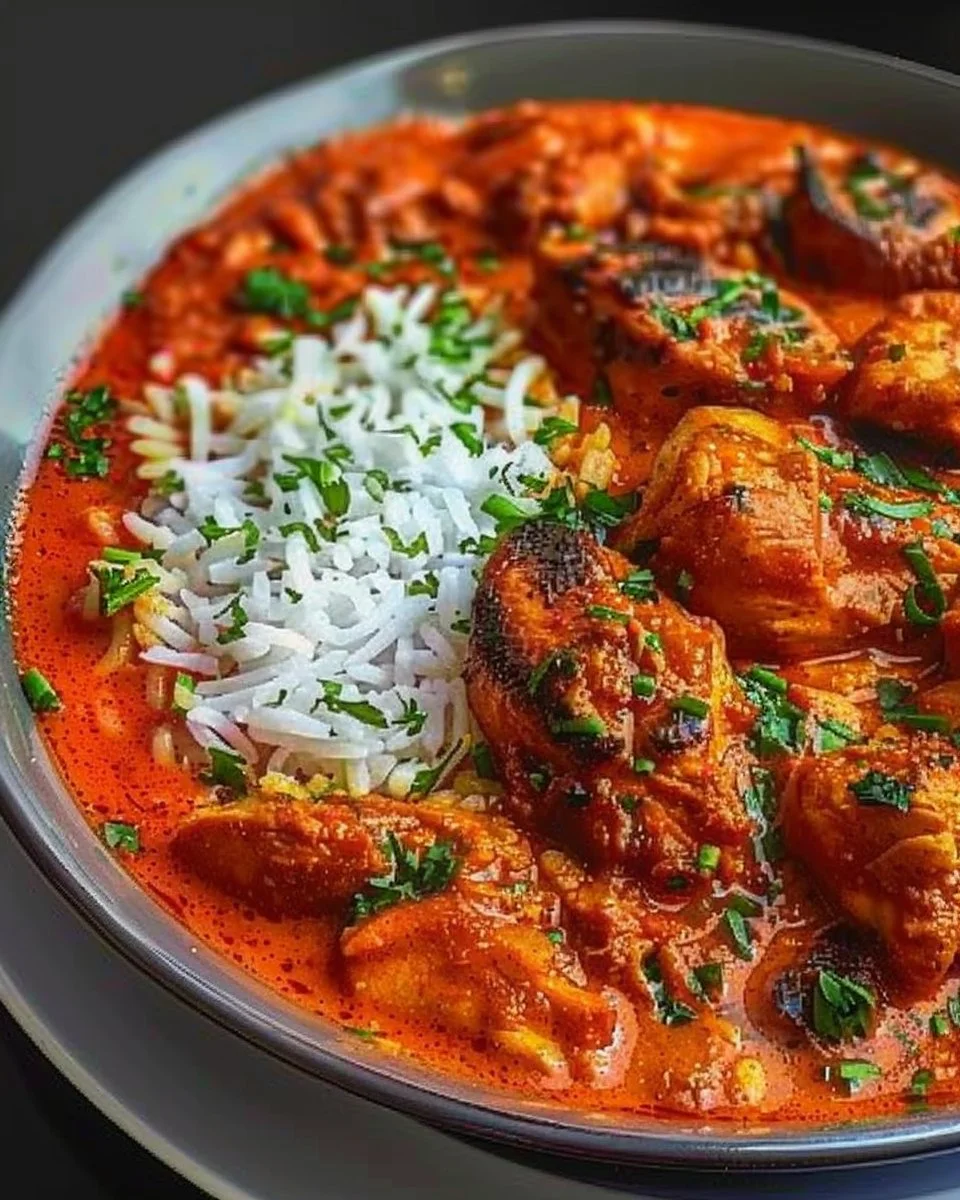
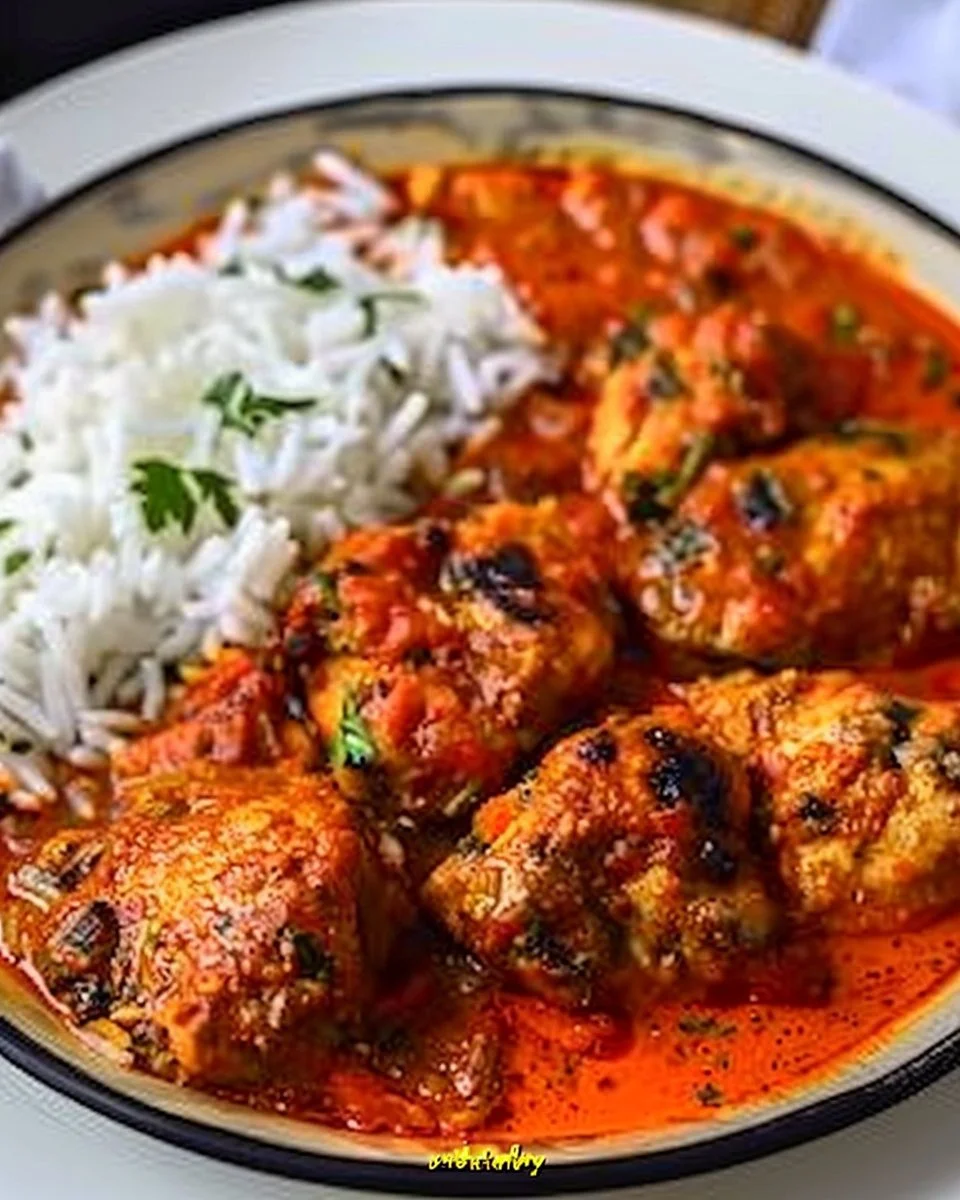
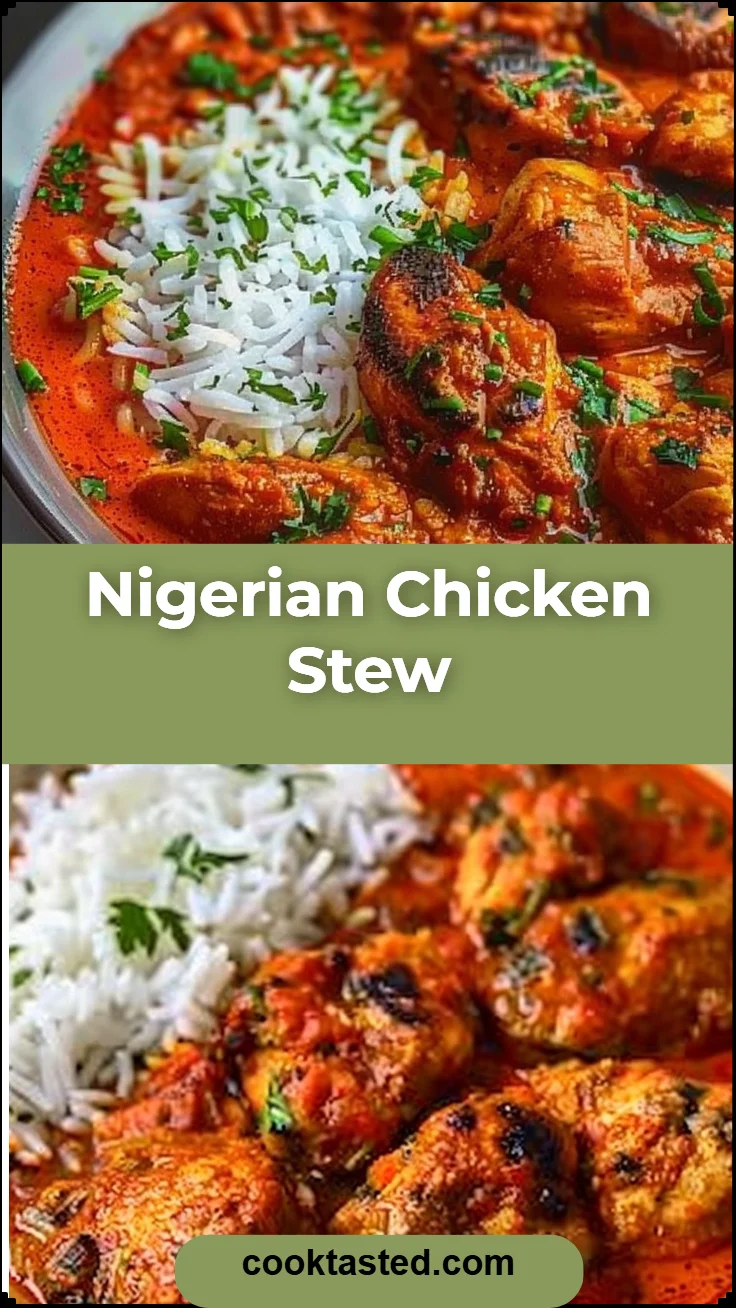
Nigerian Chicken Stew Recipe is a beloved West African comfort dish that balances smoky, spicy, and savory flavors in a rich tomato base. This version uses bone-in chicken for depth of flavor and a classic blend of spices—paprika, curry powder, and thyme—plus the heat of scotch bonnet to create a stew that’s perfect for family dinners. If you’re short on time but want to keep bold flavors, consider a quicker option like this 30-minute chicken recipe to practice the searing and sauce steps before tackling the full stew.
This article walks you through why this recipe is worth making, how to make Nigerian Chicken Stew Recipe step by step, ingredient notes and substitutions, practical tips, tasty variations, serving ideas, storage instructions, nutrition info, and a helpful FAQ. Whether you’re new to West African cooking or a seasoned home chef looking to perfect your stew technique, this friendly guide has everything you need.
why make this recipe
Nigerian chicken stew is a go-to for many families because it’s satisfying, flexible, and full of flavor. A single pot delivers a saucy, richly colored dish that pairs beautifully with rice, yams, plantains, or any starchy side. The searing step locks in juices and adds a caramelized layer of flavor, while the pureed tomatoes and peppers form a silky, savory sauce.
This stew is also an excellent meal prep candidate: it holds up well in the fridge and often tastes even better after a day, when flavors meld. For gatherings, it stretches affordably thanks to the use of bone-in pieces, which are hearty and economical. Finally, the ingredient list is approachable—most items are pantry staples or easy to find—and the method is forgiving, so cooks of most skill levels can succeed.
how to make Nigerian Chicken Stew Recipe
This section gives a clear, step-by-step approach that follows the recipe but adds context so you can cook confidently. Read through fully before you start; prepping ingredients ahead makes the process smooth.
-
Prepare and season the chicken. Pat the chicken pieces dry with paper towels. In a bowl, rub 1 teaspoon salt, 1/2 teaspoon black pepper, 1 teaspoon paprika, 1 teaspoon curry powder, and 1 teaspoon thyme over the chicken. Add chopped onion and let the chicken marinate for 30 minutes. This resting time helps the aromatics start to flavor the meat.
-
Sear the chicken. Heat 1/4 cup vegetable oil in a large skillet over medium-high heat until shimmering. Sear the marinated chicken pieces, skin side down first if using skin-on pieces, until browned on both sides. Browning adds depth to the stew; don’t rush this step. Once browned, set the chicken aside on a plate.
-
Make the blended tomato base. While the chicken rests, blend 4 large Roma tomatoes, 1 large red bell pepper, 1 small red onion, and 2 scotch bonnet peppers (reduce to 1 if you prefer less heat) into a smooth mixture. If your blender struggles with large chunks, break the vegetables into smaller pieces and pulse until smooth.
-
Fry the tomato paste, then add the blend. In the same skillet used for searing, fry 2 tablespoons tomato paste for about 2 minutes, stirring constantly to avoid burning. The tomato paste deepens the red color and adds umami. Add the blended sauce to the skillet, reduce heat to medium, and cook for 10 minutes, letting the mixture reduce and intensify.
-
Season the sauce. Stir in 1 teaspoon garlic powder, 1 teaspoon ginger powder, and 1 bouillon cube. Taste and adjust salt to preference. Simmer gently to let the spices mellow and marry with the sauce.
-
Simmer the chicken in the stew. Return the seared chicken pieces to the pot, nestling them into the sauce. Reduce heat to low and simmer, covered or partially covered, for 25–30 minutes, or until the chicken is tender and the stew thickens. Stir occasionally, spooning sauce over the chicken so the flavors deepen.
-
Finish and serve. Once the chicken is cooked through and the stew has thickened to your liking, remove from heat and let it rest for a few minutes. Serve hot over white rice, with fried plantains, or on cauliflower rice for a lower-carb option.
Ingredients
- 2.5 lbs bone-in chicken (thighs or drumsticks), cleaned
- 1 teaspoon salt (for seasoning chicken)
- 1/2 teaspoon black pepper
- 1 teaspoon paprika
- 1 teaspoon curry powder
- 1 teaspoon thyme
- 1 onion, chopped (for marinating)
- 1/4 cup vegetable oil
- 4 large Roma tomatoes
- 1 large red bell pepper
- 1 small red onion (for blending)
- 2 scotch bonnet peppers (or 1 for less heat)
- 2 tablespoons tomato paste
- 1 teaspoon garlic powder
- 1 teaspoon ginger powder
- 1 bouillon cube
- Salt to taste
Ingredient notes and simple substitutions:
- Bone-in chicken: The bones add flavor to the stew. If you prefer boneless, use boneless thighs, but reduce simmer time slightly to avoid overcooking. For a lighter option, skinless pieces will work; expect less rendered fat in the sauce.
- Scotch bonnet peppers: These bring authentic heat. Substitute with jalapeño or serrano for milder heat, or remove membranes and seeds to reduce spiciness. You can also use a pinch of cayenne if you don’t have fresh chiles.
- Bouillon cube: Adds savory depth. Replace with 1 cup chicken broth if you prefer a less salty, more natural stock flavor.
- Tomato paste and Roma tomatoes: You can swap Roma tomatoes for canned crushed tomatoes (about 14 oz) if fresh are out of season; reduce any added salt because canned tomatoes can be salty.
- Spices: Curry powder and thyme are commonly used in Nigerian stews for warmth and aroma. If you don’t have curry powder, use 1/2 teaspoon ground coriander plus a pinch of turmeric for a similar earthy touch.
Directions
- Season the chicken with salt, pepper, paprika, curry powder, thyme, and chopped onions. Let marinate for 30 minutes.
- In a large skillet, heat oil over medium-high heat and sear chicken pieces until browned on both sides. Set aside.
- Blend tomatoes, bell pepper, onion, and scotch bonnets into a smooth mixture.
- In the same skillet, fry tomato paste for 2 minutes. Add the blended sauce, reduce heat to medium, and cook for 10 minutes.
- Add garlic powder, ginger powder, bouillon cube, and salt. Stir to combine.
- Return chicken to the pot and simmer on low for 25–30 minutes, or until chicken is tender and the stew thickens.
- Serve hot with white rice, fried plantains, or cauliflower rice.
Pro Tips for Success Nigerian Chicken Stew Recipe
- Sear well but don’t overcrowd the pan: Browning the chicken in batches ensures even caramelization. Overcrowding causes steam and prevents good color.
- Control heat from the peppers: If you’re unsure about heat tolerance, remove the membranes and seeds from scotch bonnets before blending. Taste-test with one pepper first—you can always add more heat later.
- Use a sturdy blender or food processor: A smooth, emulsified sauce comes from properly blended vegetables. If your blender leaves chunks, strain or pulse longer to avoid uneven texture.
- Cook down the sauce properly: Allow the blended tomato mixture to reduce for at least 10 minutes after frying the tomato paste. This reduces raw tomato flavor and concentrates sweetness and acidity.
- Check salt and bouillon: Bouillon cubes can vary in saltiness. Add it early but taste and adjust at the end to prevent over-salting.
- Finish with a quick flavor check: After simmering, taste the stew and balance with a pinch of sugar if it’s too acidic, or a squeeze of lemon juice for brightness.
Flavor Variations Nigerian Chicken Stew Recipe
- Smoky Pepper Stew: Add 1 roasted red bell pepper (charred, peeled, and blended) and a small dash of smoked paprika to deepen the smoky notes. You can also add a piece of smoked turkey in place of some chicken pieces for extra smokiness.
- Coconut Curry Twist: Stir in 1/2 cup coconut milk during the last 5–7 minutes of simmering and reduce curry powder to 1/2 teaspoon for a creamier, slightly sweet profile that pairs nicely with rice.
- Peanut-Enriched Stew: Stir in 2 tablespoons smooth peanut butter dissolved in a bit of warm water during the final 10 minutes. This gives a nutty richness reminiscent of some West African stews.
- Vegetable-Loaded Stew: Add diced carrots and potatoes halfway through simmering and finish with chopped spinach or kale in the last 5 minutes for extra nutrition and color.
Serving Suggestions Nigerian Chicken Stew Recipe
- Classic pair: White steamed rice is the traditional and most common pairing. The rice soaks up the rich sauce beautifully.
- Fried plantains: Sweet fried plantains offer a delicious contrast to the spicy stew. Serve them alongside for a traditional West African touch.
- Starch alternatives: Serve over boiled yams, mashed potatoes, or couscous when you want something different.
- Lighter option: Spoon the stew over cauliflower rice or a bed of mixed greens for a lower-carb meal.
- Family-style: Place the stew in a large bowl and let people serve themselves, with rice on the side so everyone can tailor portions and heat level.
Storage and Freezing Instructions Nigerian Chicken Stew Recipe
- Refrigerator: Store cooled stew in an airtight container for up to 4 days. Reheat gently on the stovetop over low heat, adding a splash of water or broth if the sauce has thickened too much.
- Freezing: Cool the stew completely, then transfer to freezer-safe containers or heavy-duty freezer bags. Freeze for up to 3 months. Thaw overnight in the refrigerator before reheating.
- Reheating tips: Reheat on low heat to prevent drying out the chicken. If using a microwave, cover and stir occasionally to heat evenly. Add a tablespoon or two of water or chicken broth if the sauce seems too thick after refrigeration or thawing.
- Portioning: For quick lunches, freeze in individual portions so you can thaw only what you need. This helps maintain quality and reduces waste.
Nutrition Facts (Per Serving)
Estimated serving size: about 1 chicken piece with sauce (recipe serves 6)
- Calories: 520 kcal
- Protein: 34 g
- Carbohydrates: 8 g
- Fat: 36 g
- Fiber: 2 g
- Sodium: 760 mg
Note: These are rough estimates. Actual nutrition depends on chicken cut (skin-on vs. skinless), exact oil amount absorbed, bouillon sodium content, and portion size. For precise numbers, weigh portions and use a nutrition calculator with your specific ingredients.
FAQ About Nigerian Chicken Stew Recipe
What cut of chicken works best for this stew?
Bone-in thighs or drumsticks are ideal because the bones and skin add flavor and juicy texture during simmering. Thighs stay tender and are forgiving if the stew simmers a bit longer. If you prefer white meat, bone-in chicken breasts work but can dry out if overcooked; reduce simmer time and watch carefully.
How spicy will this stew be with two scotch bonnet peppers?
Two scotch bonnet peppers make the stew noticeably hot for most palates, with a fruity, intense heat. If you want milder heat, use one pepper or remove seeds and membranes before blending. You can also balance heat by adding a spoonful of coconut milk or a small pinch of sugar to mellow the spice.
Can I make this stew in advance or freeze it?
Yes. The flavors often deepen after a day in the fridge, so it’s a great make-ahead dish. Freeze cooled stew in airtight containers for up to three months. Thaw overnight in the refrigerator and reheat gently on the stovetop, adding a splash of broth if needed.
Is there a non-spicy version for kids or those sensitive to heat?
Absolutely. Replace the scotch bonnet with a mild red pepper or use just one pepper and remove the seeds. You can also substitute a small amount of paprika and smoked paprika for color and mild flavor without the heat. Taste and adjust gradually until it suits your family.
How can I thicken the stew if it’s too thin?
Simmer the sauce uncovered for 10–15 more minutes to reduce and concentrate the sauce. For a quicker fix, whisk a teaspoon of cornstarch into a little cold water and stir into the simmering stew; cook for a few minutes until it thickens. Alternatively, mash a small boiled potato and stir it in to thicken naturally.
Can I use canned tomatoes instead of fresh?
Yes, canned crushed or whole peeled tomatoes (about 14 oz) are a fine substitute, especially out of season. If using canned tomatoes, taste before adding extra salt, as canned products can be saltier. Reduce added water if the canned tomatoes are very liquid.
Why fry tomato paste before adding the blended tomatoes?
Frying tomato paste caramelizes its sugars and deepens its flavor, creating a richer, less acidic tomato base. This step contributes to the deep red color and robust umami that characterize many Nigerian stews.
What sides best complement the stew for a balanced meal?
White rice or jollof-style rice soaks up the sauce and balances heat. Fried plantains bring sweet contrast. Steam some greens—like spinach or collard greens—for freshness, or pair with boiled yams or sweet potatoes for heartier, starchy options.
Final Thoughts
Nigerian Chicken Stew Recipe is a soulful, versatile dish that brings warmth and bold flavor to the dinner table. It’s easy to customize for heat, texture, and richness, and it rewards a little patience at each step—especially during searing and sauce reduction. With straightforward ingredients and a forgiving method, it’s a great recipe to add to your rotation for weeknight dinners, meal prep, and special family meals. Try one of the flavor variations to make it your own, and don’t forget that leftovers often taste even better the next day. Enjoy the layers of flavor and the comfort this stew brings.
Print
Nigerian Chicken Stew
- Total Time: 70 minutes
- Yield: 6 servings
- Diet: Paleo
Description
A beloved West African comfort dish featuring smoky, spicy, and savory flavors in a rich tomato base with bone-in chicken.
Ingredients
- 2.5 lbs bone-in chicken (thighs or drumsticks), cleaned
- 1 teaspoon salt
- 1/2 teaspoon black pepper
- 1 teaspoon paprika
- 1 teaspoon curry powder
- 1 teaspoon thyme
- 1 onion, chopped
- 1/4 cup vegetable oil
- 4 large Roma tomatoes
- 1 large red bell pepper
- 1 small red onion
- 2 scotch bonnet peppers
- 2 tablespoons tomato paste
- 1 teaspoon garlic powder
- 1 teaspoon ginger powder
- 1 bouillon cube
- Salt to taste
Instructions
- Season the chicken with salt, pepper, paprika, curry powder, thyme, and chopped onions. Let marinate for 30 minutes.
- In a large skillet, heat oil over medium-high heat and sear chicken pieces until browned on both sides. Set aside.
- Blend tomatoes, bell pepper, onion, and scotch bonnets into a smooth mixture.
- In the same skillet, fry tomato paste for 2 minutes. Add the blended sauce, reduce heat to medium, and cook for 10 minutes.
- Add garlic powder, ginger powder, bouillon cube, and salt. Stir to combine.
- Return chicken to the pot and simmer on low for 25–30 minutes, or until chicken is tender and the stew thickens.
- Serve hot with white rice, fried plantains, or cauliflower rice.
Notes
This stew is excellent for meal prep; it often tastes better the next day. Adjust the spice level by varying the number of scotch bonnet peppers used.
- Prep Time: 30 minutes
- Cook Time: 40 minutes
- Category: Main Course
- Method: Stovetop
- Cuisine: Nigerian