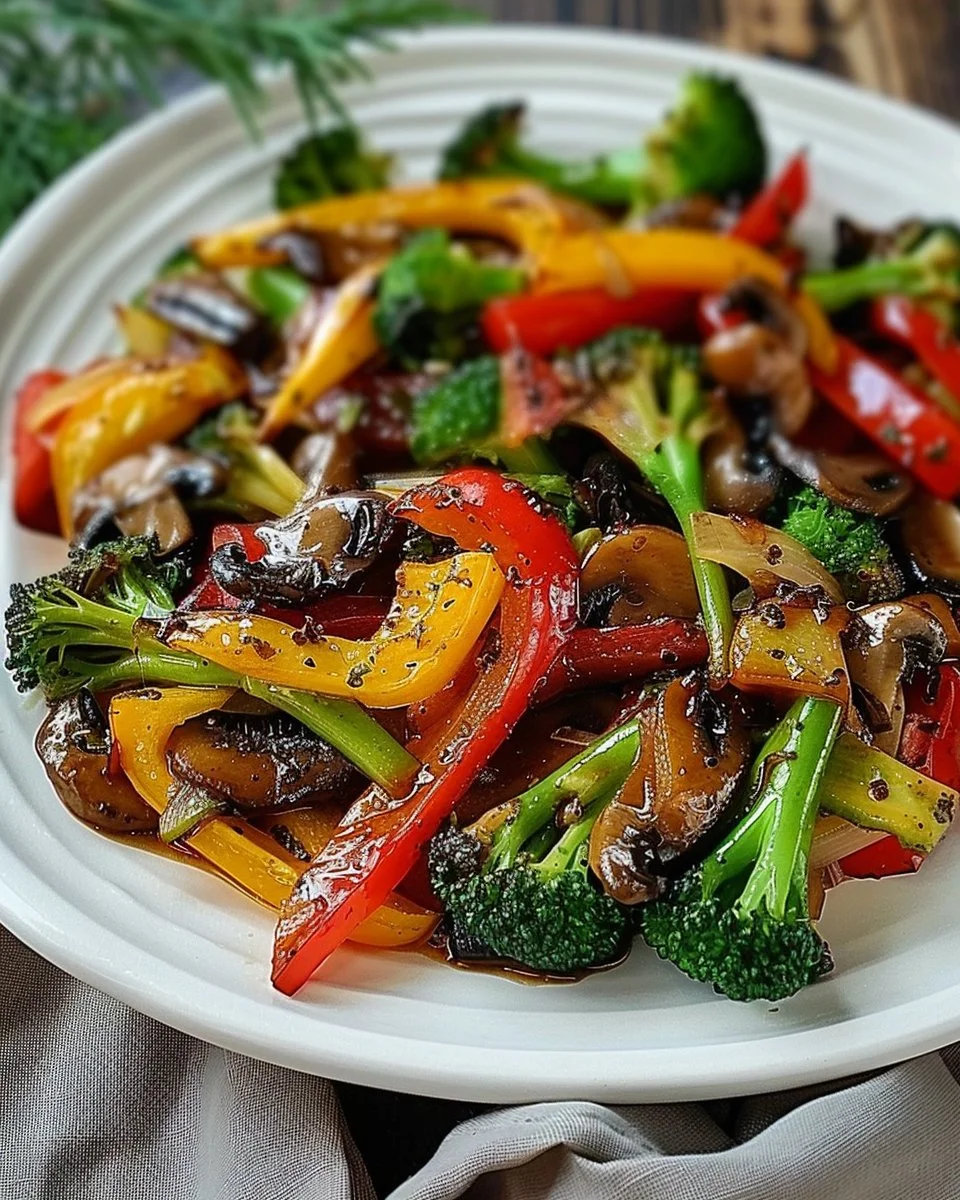
A simple plate of sautéed vegetables can brighten any meal and make weeknight cooking feel effortless.
Healthy Sautéed Vegetables are a fast, flavorful way to add more vegetables to your daily meals, and this healthy sautéed vegetables recipe shows just how easy it is to get a nutritious side on the table in under 20 minutes. Sautéing locks in bright color and a fresh texture while letting the natural sweetness of vegetables come forward. Whether you’re feeding picky eaters, meal-prepping for the week, or just looking for a low-fuss dish to pair with protein, these veggies adapt to what’s in your fridge and your flavor preferences.
This article walks through why this recipe deserves a regular spot in your rotation, step-by-step directions, ingredient notes and substitutions, tips for perfect texture, flavor twists, how to serve it, storage guidance, estimated nutrition, and answers to common questions. Read on if you want a friendly, practical guide to making vibrant, healthy sautéed vegetables every time.
Why make this recipe
Sautéed vegetables hit a sweet spot between quick cooking and great nutrition. The method uses high heat and a small amount of fat to cook vegetables until they’re tender but still crisp, which preserves vitamins and keeps colors vivid.
- Fast and reliable: Most vegetables cook in 5–10 minutes, so this is ideal for busy evenings.
- Flexible and economical: Use whatever vegetables you have—it’s a great way to use leftover produce and reduce waste.
- Nutrient-rich: A variety of vegetables supplies fiber, vitamins, minerals, and antioxidants without a lot of calories.
- Family-friendly: Mild, comforting flavors make this accessible to kids and adults alike; you can boost boldness for grown-ups with herbs, citrus, or a splash of vinegar.
- Complements many meals: It pairs beautifully with grilled meats, tofu, legumes, grains, or as part of a bowl or wrap.
If you aim to eat more plants but struggle with time or flavor, this recipe is an easy habit to build. It’s also simple to scale up for meal prep or keep small batches for lunches and leftovers.
How to make Healthy Sautéed Vegetables
The basic idea is clear: heat oil, aromatics, and add vegetables in stages so everything finishes at the same time. This section breaks that down into a few approachable steps, then lists the exact ingredients and the short cooking directions.
Start by prepping everything — vegetable sizes matter for even cooking. Heat your pan until it’s hot but not smoking, add oil, then garlic and onion to build flavor. Add sturdier vegetables like carrots and broccoli first, then softer ones such as zucchini, bell pepper, and mushrooms. Finish with quick-cooking snap peas or herbs, and brighteners like lemon juice or a splash of balsamic vinegar or soy sauce.
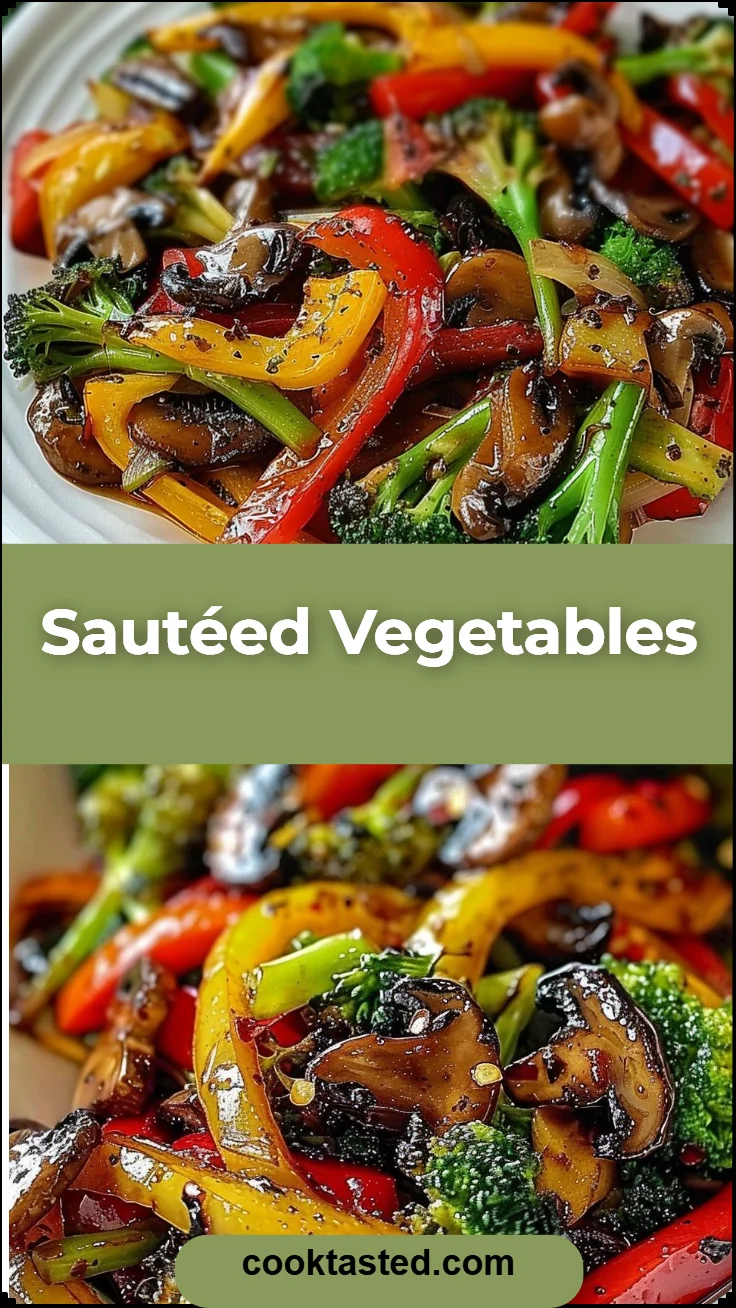
Ingredients :
- 2 tbsp olive oil (or avocado oil/butter)
- 2 cloves garlic, minced
- 1 small onion, thinly sliced
- 1 medium bell pepper, sliced
- 1 medium zucchini, sliced into half-moons
- 1 cup broccoli florets
- 1 medium carrot, julienned or sliced thin
- ½ cup snap peas
- ½ cup mushrooms, sliced
- Salt and black pepper, to taste
- 1 tsp lemon juice (optional)
- 1 tsp balsamic vinegar or soy sauce (optional)
- Optional toppings: toasted nuts, seeds, fresh herbs, grated Parmesan
Ingredient notes and substitutions:
- Oil: Olive oil is classic and flavorful; use avocado oil for a higher smoke point or butter for a richer finish. If you want to keep it oil-free, use a non-stick pan and a few tablespoons of vegetable broth.
- Garlic and onion provide the base flavor. If you’re avoiding alliums, try minced fennel or celery root for aromatic depth.
- Vegetables: This list is a template—feel free to swap in green beans, cauliflower, kale, asparagus, or winter squash. Cut vegetables to uniform size for even cooking.
- Acid and umami: Lemon juice brightens, while balsamic vinegar or low-sodium soy sauce adds a savory depth. Use tamari for gluten-free options.
- Toppings: Toasted almonds, pumpkin seeds, or a sprinkle of fresh parsley or basil give texture and freshness. Nutritional yeast is a great dairy-free alternative to Parmesan.
Directions :
Preparation
- Wash and dry all vegetables. Trim ends, slice the zucchini into half-moons about 1/4-inch thick, slice the bell pepper into strips, cut broccoli into small florets, julienne or thinly slice the carrot, and slice mushrooms thinly so they release moisture quickly.
- Mince the garlic and thinly slice the onion so they can caramelize without burning. Have lemon juice, balsamic vinegar or soy sauce, and any toppings ready.
Cooking
- Heat a large skillet or sauté pan over medium-high heat. Add 2 tablespoons of oil and let it warm until it shimmers.
- Add the sliced onion and cook for 2–3 minutes, stirring frequently until it becomes translucent and fragrant.
- Add the minced garlic and cook for about 30 seconds, stirring, until aromatic. Don’t let it burn.
- Stir in the carrots and broccoli first, tossing to coat with oil. Cook for 3–4 minutes, keeping the vegetables moving so they brown lightly but don’t steam.
- Add the bell pepper and mushrooms to the pan, and continue to sauté for another 3 minutes. If the pan looks dry and vegetables are sticking, add a tablespoon of water or low-sodium vegetable broth to deglaze and create a little steam.
- Add the zucchini and snap peas last, since they cook fastest. Sauté for 2–3 more minutes until all vegetables are tender-crisp.
- Season with salt and black pepper to taste. Remove from heat and stir in 1 teaspoon lemon juice or a splash (about 1 teaspoon) of balsamic vinegar or soy sauce if using. Finish with optional toppings like fresh herbs, toasted nuts, seeds, or grated Parmesan.
Serve hot. These vegetables are best enjoyed fresh but keep well for several days in the fridge.
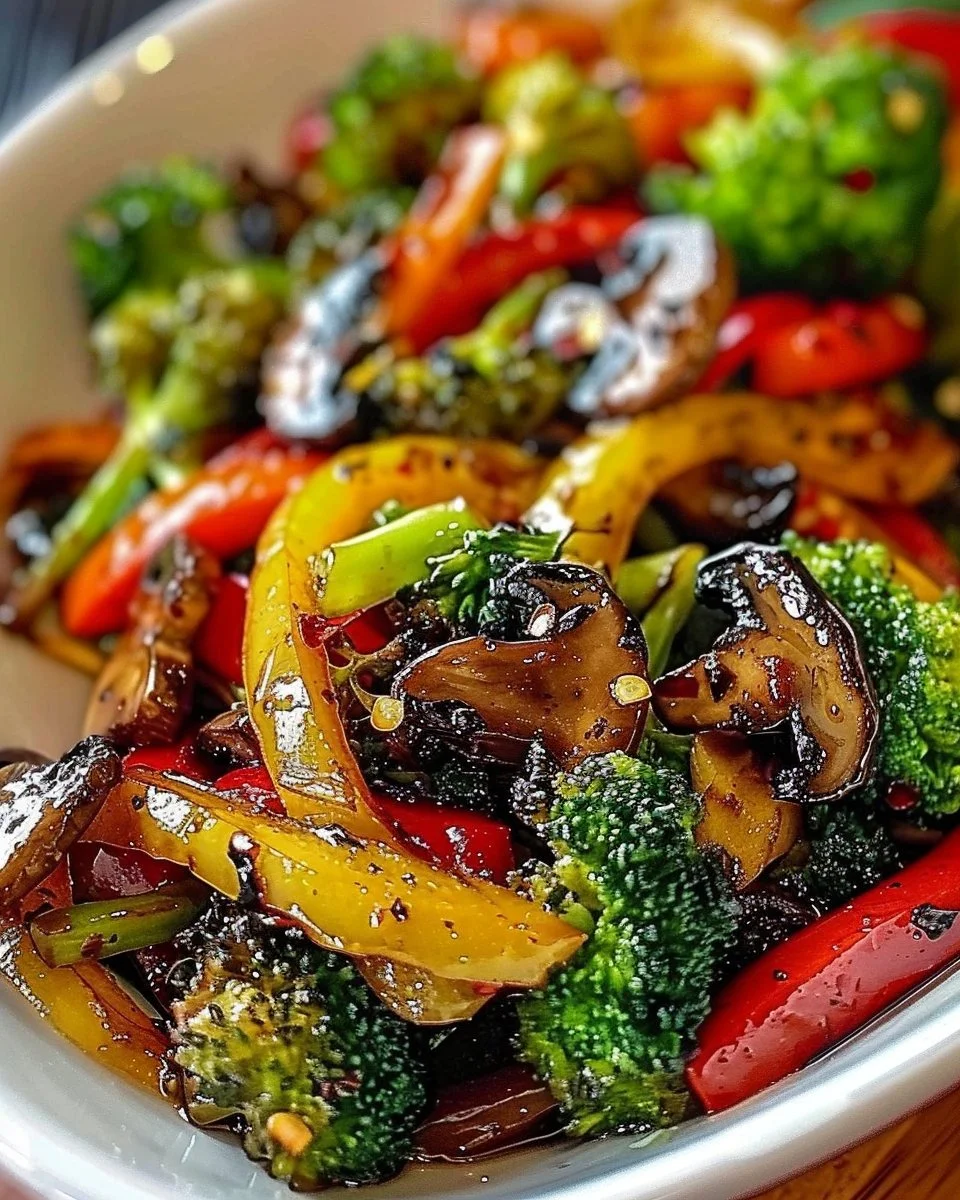
Pro Tips for Success Healthy Sautéed Vegetables
- Prep everything before you heat the pan: Once the pan is hot, the cooking goes quickly. Have vegetables cut and seasonings measured so you can work efficiently.
- Size matters: Cut vegetables into similar-sized pieces so they cook evenly. Hard vegetables like carrots and broccoli should be smaller or started earlier in the pan than zucchini or mushrooms.
- High, but not smoking heat: A hot pan helps vegetables brown and get flavor, but if the oil smokes you’ll risk bitterness. Medium-high is a safe bet; adjust if you see smoke.
- Don’t overcrowd the pan: If you pile in too many vegetables, they’ll steam instead of sauté. Use a wide skillet or work in batches for large quantities.
- Use a lid briefly for steam-finish: If you want vegetables tender all the way through without sacrificing color, cover the pan for 1 minute toward the end. Remove the lid to evaporate excess moisture and finish with a quick toss to sear.
- Taste and finish boldly: A small squeeze of lemon, a dash of vinegar, or a splash of soy sauce at the end lifts the whole dish. Add these at the end so their bright flavors remain fresh.
Flavor Variations Healthy Sautéed Vegetables
- Mediterranean twist: Add chopped tomatoes toward the end, finish with fresh basil, a sprinkle of oregano, and a drizzle of extra virgin olive oil. Top with crumbled feta or grated Parmesan.
- Asian-inspired: Swap in sesame oil (or a mix of olive and sesame), finish with a splash of low-sodium soy sauce, a pinch of red pepper flakes, and a sprinkle of toasted sesame seeds and sliced green onion.
- Garlic-herb butter: Use butter instead of oil and add a tablespoon of minced fresh herbs—thyme, rosemary, or parsley—toward the end. Finish with grated Parmesan for a savory, slightly indulgent side.
- Lemon-garlic and caper boost: Add extra lemon zest and a tablespoon of capers or chopped olives for a briny pop. This works beautifully with fish or chicken.
- Curry-spiced vegetables: Toss the vegetables with a teaspoon of mild curry powder or garam masala during cooking and finish with a swirl of plain yogurt or coconut milk for a creamy note.
Serving Suggestions Healthy Sautéed Vegetables
- Simple protein pair: Serve alongside grilled chicken, baked salmon, tofu steaks, or a lean pork substitute for a complete meal.
- Grain bowls: Layer sautéed vegetables over brown rice, quinoa, farro, or cauliflower rice; drizzle with tahini or soy-ginger dressing.
- Pasta companion: Toss warm sautéed vegetables with whole-grain or legume-based pasta, a splash of pasta cooking water, and a bit of grated cheese for a quick vegetarian dinner.
- Breakfast upgrade: Add a spoonful of warm sautéed vegetables to avocado toast or an omelet for a nutrient-dense start to the day.
- Salad or wrap filler: Cool the vegetables slightly and use them in a wrap or toss with leafy greens and a vinaigrette for a hearty salad.
- Holiday or entertaining side: Keep the pan warm and transfer to a serving bowl, and let guests top with toasted nuts, Parmesan, or herbs for a colorful platter.
Storage and Freezing Instructions Healthy Sautéed Vegetables
Short-term storage:
- Refrigerator: Cool the vegetables to room temperature, then store in an airtight container for up to 4 days. Reheat gently in a skillet over medium heat to preserve texture, or microwave in short bursts to avoid sogginess.
- Portioning: Store in single-serving containers for fast lunches or dinner sides during the week.
Freezing:
- Freeze if you want to preserve a large batch: Cool the vegetables completely, then lay them out on a baking sheet to flash-freeze for an hour before transferring to a freezer bag or airtight container. Flash-freezing helps prevent clumping.
- Shelf life: Frozen sautéed vegetables can last 2–3 months for best quality, though texture may soften after freezing due to water expansion in cell walls.
- Thawing and reheating: Thaw overnight in the refrigerator or reheat directly from frozen in a skillet over medium heat, adding a splash of water or broth and covering briefly to steam before uncovering to finish. If you plan to freeze, omit delicate toppings like fresh herbs or toasted nuts until after reheating.
Nutrition Facts (Per Serving) —
Estimated serving size: about 1 cup. Recipe yields approximately 4 servings.
- Calories: 130 kcal
- Protein: 3 g
- Carbohydrates: 12 g
- Fat: 9 g
- Fiber: 4 g
- Sodium: 220 mg (varies with added salt and use of soy sauce)
Notes: Nutrition values are approximate and will vary with specific ingredients and portion sizes. Using butter will increase saturated fat, while swapping olive oil for avocado oil keeps calories similar but may change fatty acid profile. Choosing low-sodium soy sauce reduces the sodium content. Adding toppings like Parmesan or nuts will raise calories and fat slightly but can increase protein and flavor.
FAQ About Healthy Sautéed Vegetables
How long will sautéed vegetables keep in the refrigerator?
Sautéed vegetables generally keep well in the refrigerator for up to 4 days when stored in an airtight container. Cool them to room temperature before refrigerating to prevent condensation, which can create sogginess. Reheat gently in a skillet over medium heat to restore some texture; avoid high heat that can dry them out or turn them mushy.
Can I use frozen vegetables instead of fresh?
Yes, frozen vegetables can be used and are especially convenient when fresh produce isn’t in season. Thaw and drain if they release a lot of water, or cook directly from frozen but expect extra moisture in the pan. To avoid steaming, cook over slightly higher heat and work in smaller batches; you may need to increase the cooking time by a few minutes.
What’s the best oil to use for sautéing?
Choose an oil with an appropriate smoke point for sautéing. Olive oil is flavorful and works well for medium-high heat; avocado oil has a higher smoke point and is neutral in flavor. Butter adds richness but can burn at higher heat, so consider blending butter with oil or using clarified butter (ghee) for a richer taste without burning. If keeping it oil-free, use water or vegetable broth to sauté, though browning will be lighter.
How can I keep vegetables crisp-tender, not mushy?
The key is timing and pan space. Sauté sturdier vegetables first (like carrots and broccoli) and add softer ones (zucchini, mushrooms) later. Keep the pan hot and avoid overcrowding; if the pan is too full, vegetables steam instead of sauté. For tender-crisp results, cook quickly, stir frequently, and remove from heat when vegetables still have a slight bite.
Are there good vegan or gluten-free versions of this recipe?
Absolutely. The base recipe is naturally vegan and gluten-free when you use plant oil and avoid wheat-containing sauces. For umami or salty depth, swap soy sauce for tamari (gluten-free) or a small amount of miso thinned with water. For non-dairy creaminess, finish with a dollop of coconut or cashew cream, or top with nutritional yeast for a cheesy flavor.
Can I make this recipe spicy?
Yes — add heat in a few ways. Add red pepper flakes while cooking the aromatics, toss in thinly sliced fresh chilies, or finish with a drizzle of chili oil. For a deeper smoky heat, use a pinch of smoked paprika or a few drops of hot sauce at the end. Balance any added spice with a squeeze of lemon or a touch of sweet balsamic if needed.
What proteins pair best with these vegetables?
Sautéed vegetables are versatile with many proteins. Try them with roasted or grilled chicken, pan-seared salmon, baked tofu, tempeh, or a bean-based main like lentil patties. For a simple vegetarian meal, toss with cooked quinoa or farro and add a handful of toasted nuts and a tangy dressing.
How can I make this dish more filling without adding too many calories?
Add a source of lean protein or fiber-rich grains. Stirring in chickpeas, white beans, or a scoop of cooked quinoa boosts staying power without a large calorie jump. Top with a sprinkle of seeds or a modest portion of toasted nuts for texture and healthy fats that keep you satisfied.
Final Thoughts
Sautéed vegetables are one of the most adaptable and reliable ways to make vegetables exciting and easy. With a few simple techniques—proper prep, correct pan temperature, and thoughtful sequencing—you’ll consistently get bright, flavorful results that work across cuisines and meals. Keep a predictable set of pantry items (good oil, garlic, lemon, and a favorite vinegar or soy) to finish dishes quickly, and don’t be afraid to experiment with different vegetables, spices, and toppings. Enjoy the process: small tweaks can turn this simple recipe into a new family favorite.
Print
Healthy Sautéed Vegetables
- Total Time: 20 minutes
- Yield: 4 servings
- Diet: Vegetarian
Description
A quick and flavorful way to enjoy a variety of sautéed vegetables, perfect as a side dish or meal prep option.
Ingredients
- 2 tbsp olive oil (or avocado oil/butter)
- 2 cloves garlic, minced
- 1 small onion, thinly sliced
- 1 medium bell pepper, sliced
- 1 medium zucchini, sliced into half-moons
- 1 cup broccoli florets
- 1 medium carrot, julienned or sliced thin
- ½ cup snap peas
- ½ cup mushrooms, sliced
- Salt and black pepper, to taste
- 1 tsp lemon juice (optional)
- 1 tsp balsamic vinegar or soy sauce (optional)
- Optional toppings: toasted nuts, seeds, fresh herbs, grated Parmesan
Instructions
- Wash and dry all vegetables. Prep them by slicing into uniform sizes.
- Heat a large skillet over medium-high heat and add olive oil until it shimmers.
- Add onion and sauté for 2–3 minutes, then stir in garlic for another 30 seconds.
- Incorporate sturdier vegetables like carrots and broccoli first, cooking for 3–4 minutes.
- Add bell pepper and mushrooms; sauté for 3 minutes, adding water if necessary to prevent sticking.
- Finally, add zucchini and snap peas, cooking for an additional 2–3 minutes until tender-crisp.
- Season with salt and black pepper and stir in lemon juice or balsamic vinegar if using.
- Serve hot with optional toppings like fresh herbs or nuts.
Notes
Vegetables can be stored in the fridge for up to 4 days and are best served fresh. Feel free to substitute any vegetables based on your preference.
- Prep Time: 10 minutes
- Cook Time: 10 minutes
- Category: Side Dish
- Method: Sautéing
- Cuisine: American