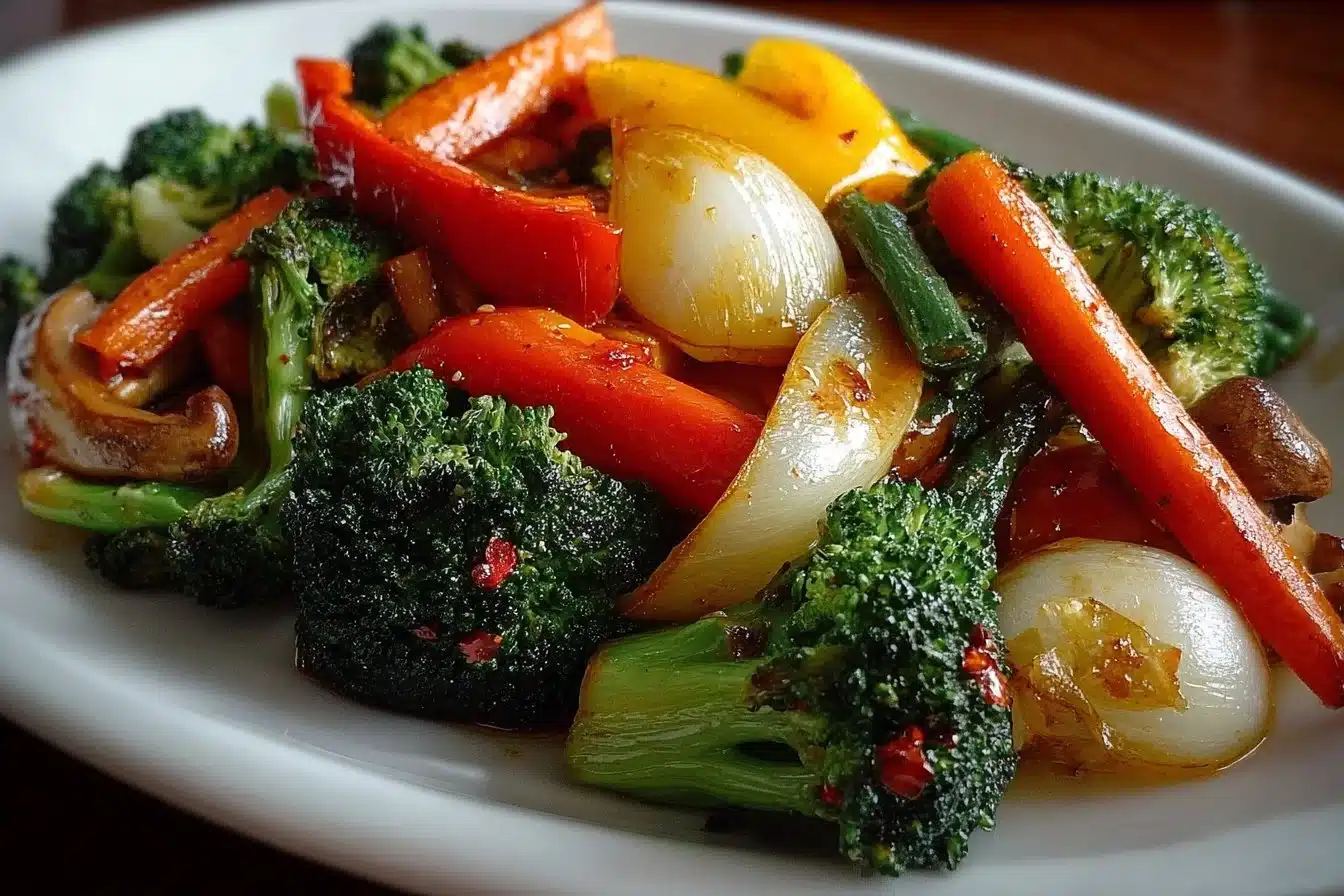
Healthy Sautéed Vegetables
Sautéed vegetables are a fantastic way to include a rainbow of nutrients in your meals. This Healthy Sautéed Vegetables recipe is a delicious and versatile dish that can be enjoyed as a side or even as a main course. Packed with vitamins and minerals, this medley of vibrant veggies not only tantalizes your taste buds but also supports your overall health.
Why Make This Recipe
There are countless reasons to prepare sautéed vegetables. Firstly, they are quick and easy to make, taking just a matter of minutes to cook. This means you can enjoy a nutritious meal even on your busiest days. Moreover, sautéing enhances the natural flavors of the vegetables while keeping their textures crisp and vibrant.
Another great reason to whip up this dish is its adaptability. You can adjust the ingredients based on what you have at home or what’s in season. This not only reduces food waste but also allows you to experiment with flavors and textures. Additionally, sautéed vegetables are inherently healthy, offering a low-calorie and high-fiber option that’s suitable for various dietary preferences.
How to Make Healthy Sautéed Vegetables
Making healthy sautéed vegetables is straightforward and requires just a few steps. Below, you’ll find all the ingredients and detailed directions to help you create this delightful dish in your kitchen.
Ingredients:
- 2 tbsp olive oil (or avocado oil/butter)
- 2 cloves garlic, minced
- 1 small onion, thinly sliced
- 1 bell pepper, sliced
- 1 zucchini, sliced into half-moons
- 1 cup broccoli florets
- 1 medium carrot, julienned or sliced thin
- ½ cup snap peas
- ½ cup mushrooms, sliced
- Salt and black pepper, to taste
- 1 tsp lemon juice (optional)
- 1 tsp balsamic vinegar or soy sauce (optional)
- Optional toppings: toasted nuts, seeds, fresh herbs, grated Parmesan
Directions:
- Wash, peel (if needed), and cut all vegetables into uniform pieces.
- Place a skillet over medium-high heat and add the oil.
- Add the garlic and onions, and sauté for 1–2 minutes until fragrant.
- Add the carrots and broccoli first, cooking them for 3–4 minutes while stirring frequently.
- Add the bell peppers, zucchini, mushrooms, and snap peas; sauté for another 4–5 minutes until crisp-tender.
- Add salt, pepper, and optional flavorings (lemon juice, balsamic vinegar, or soy sauce).
- Toss well and garnish with herbs, seeds, or nuts. Serve immediately for the best texture.
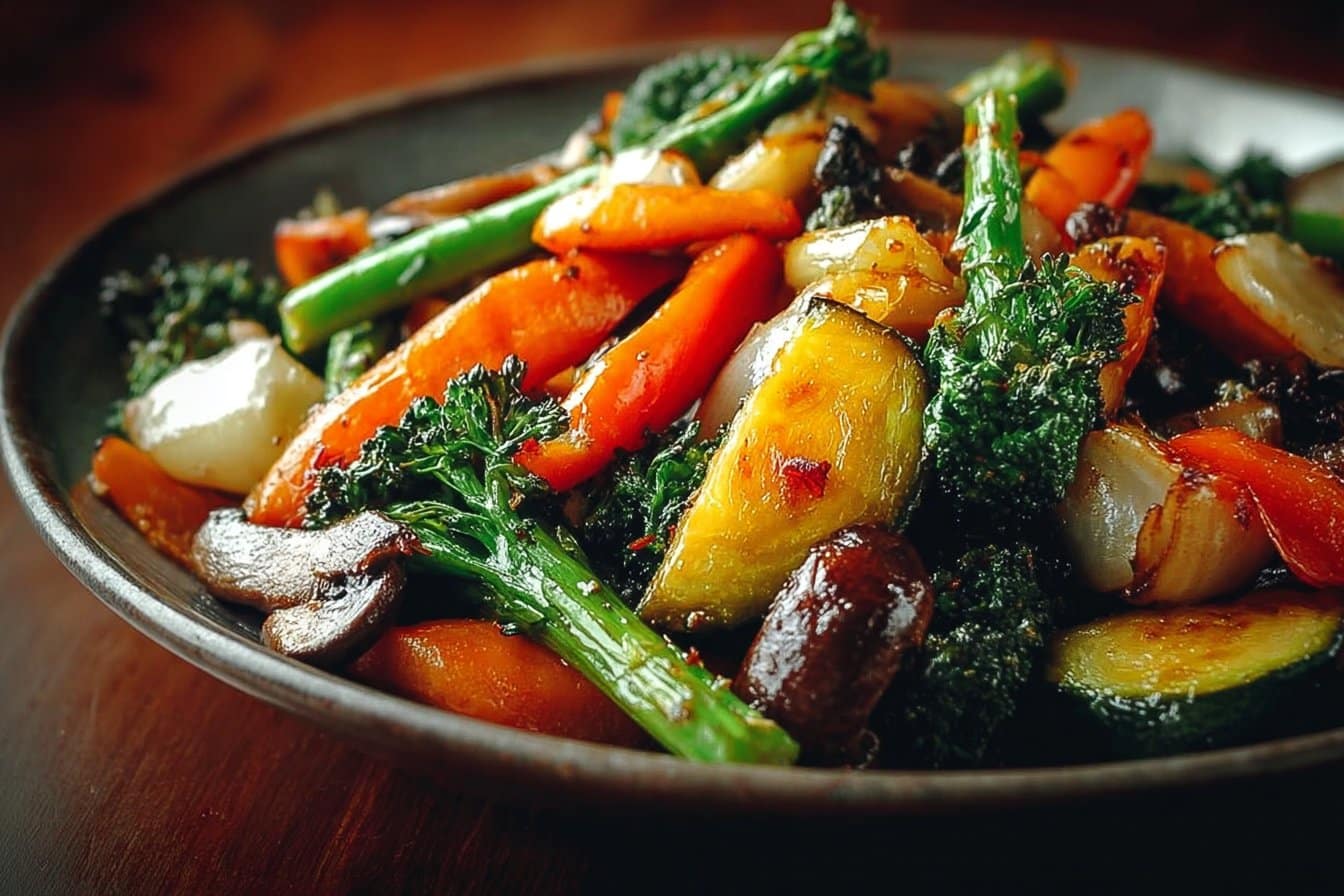
Pro Tips for Success Sautéed Vegetables
-
Even Cooking: Ensure all your vegetables are cut into uniform pieces to guarantee even cooking. This prevents some pieces from becoming mushy while others remain undercooked.
-
High Heat: Use medium-high heat to quickly cook the vegetables. This allows them to retain their crispness and bright colors.
-
Don’t Overcrowd the Pan: If you are making a larger batch, consider cooking in batches. Overcrowding the pan can cause steaming rather than sautéing, leading to softer vegetables.
-
Experiment with Oils: Feel free to substitute olive oil with avocado oil or butter for different flavor profiles. Each option can lend a unique taste and texture to the dish.
-
Finish with Freshness: Adding a splash of lemon juice or vinegar right before serving brightens the dish and enhances the flavors of the veggies.
Flavor Variations for Sautéed Vegetables
-
Spicy Kick: Add a pinch of red pepper flakes or a dash of hot sauce while cooking to give your sautéed vegetables an exciting, spicy twist.
-
Herbed Delight: Incorporate fresh herbs like basil, thyme, or cilantro at the end of cooking for an aromatic and flavorful boost.
-
Asian-Inspired: Swap in soy sauce and finish with sesame oil for an Asian touch. Toss in some sesame seeds for added crunch.
-
Mediterranean Flair: Mix in some olives or sun-dried tomatoes, and finish with feta cheese for a Mediterranean-inspired twist.
-
Creamy Option: Stir in a splash of cream or a spoonful of cream cheese at the end for a rich, indulgent version.
Serving Suggestions for Healthy Sautéed Vegetables
Healthy sautéed vegetables can complement a variety of dishes or stand alone as a satisfying meal. Here are some great serving ideas to inspire you:
-
As a Side Dish: Pair your sautéed vegetables with grilled chicken, fish, or tofu for a balanced meal.
-
Over Grains: Serve the sautéed vegetables atop a bed of quinoa, rice, or couscous for a hearty entrée.
-
In a Wrap: Use them as a filling for wraps or sandwiches, along with hummus or yogurt for added flavor.
-
With Eggs: Toss them in scrambled eggs or an omelet for a nutritious breakfast option.
-
On Flatbreads: Spread some pesto on a flatbread, top it with sautéed vegetables, and finish with cheese for a delicious and easy meal.
Storage and Freezing Instructions for Sautéed Vegetables
If you’ve made too many sautéed vegetables or want to prepare them ahead of time, storage is key. Here’s how you can store and freeze your veggies:
-
Refrigeration: Allow the sautéed vegetables to cool completely before transferring them to an airtight container. They can be stored in the refrigerator for up to 3-4 days.
-
Freezing: For longer storage, sautéed vegetables can be frozen. Spread them in a single layer on a baking sheet to flash freeze and then transfer to a freezer-safe container or bag. They can be kept in the freezer for up to 2-3 months.
-
Reheating: When you’re ready to use your refrigerated or frozen veggies, simply reheat them on the stovetop or in a microwave until heated through.
Nutrition Facts (Per Serving)
| Nutrient | Amount |
|————|———–|
| Calories | 120 |
| Protein | 3g |
| Carbohydrates | 12g |
| Fat | 7g |
| Fiber | 4g |
| Sodium | 200mg |
FAQ About Healthy Sautéed Vegetables
Can I use frozen vegetables for sautéing?
Absolutely! Frozen vegetables are a convenient option and can save you prep time. However, you should thaw them and drain any excess moisture before sautéing to achieve the best texture.
What can I substitute for garlic?
If you’re looking for a garlic substitute due to allergies or preference, consider using shallots or garlic powder for flavor. Lemon zest can also add a nice zing.
Are sautéed vegetables healthy?
Yes! They are packed with vitamins, minerals, and antioxidants. Sautéing uses minimal oil and helps to retain the nutrients found in the vegetables, making this dish a healthy choice.
Can I add protein to this dish?
Definitely! You can add cooked chicken, shrimp, or even tofu to make this dish heartier. Incorporating protein can turn your sautéed vegetables into a complete meal.
How do I make the dish more flavorful without adding too much salt?
To boost flavor without relying heavily on salt, use herbs, spices, lemon juice, or vinegar. Fresh herbs and spices can enhance the overall taste significantly without the need for extra sodium.
Final Thoughts
Healthy sautéed vegetables are not just an easy dish to prepare; they are a mindful addition to any meal that can be tailored to your personal taste. With a quick cooking time and endless variations at your disposal, it’s easy to make this dish a staple in your kitchen. Whether served alone or as a complementary side, this veggie medley is sure to be a hit with both family and friends. Enjoy the fresh flavors and nourishing benefits of this simple yet delightful recipe!
Print
Healthy Sautéed Vegetables
- Total Time: 25 minutes
- Yield: 4 servings
- Diet: Vegetarian
Description
A delicious and versatile dish of sautéed vegetables, packed with vitamins and minerals, perfect as a side or main course.
Ingredients
- 2 tbsp olive oil (or avocado oil/butter)
- 2 cloves garlic, minced
- 1 small onion, thinly sliced
- 1 bell pepper, sliced
- 1 zucchini, sliced into half-moons
- 1 cup broccoli florets
- 1 medium carrot, julienned or sliced thin
- ½ cup snap peas
- ½ cup mushrooms, sliced
- Salt and black pepper, to taste
- 1 tsp lemon juice (optional)
- 1 tsp balsamic vinegar or soy sauce (optional)
- Optional toppings: toasted nuts, seeds, fresh herbs, grated Parmesan
Instructions
- Wash, peel (if needed), and cut all vegetables into uniform pieces.
- Place a skillet over medium-high heat and add the oil.
- Add the garlic and onions, and sauté for 1–2 minutes until fragrant.
- Add the carrots and broccoli first, cooking them for 3–4 minutes while stirring frequently.
- Add the bell peppers, zucchini, mushrooms, and snap peas; sauté for another 4–5 minutes until crisp-tender.
- Add salt, pepper, and optional flavorings (lemon juice, balsamic vinegar, or soy sauce).
- Toss well and garnish with herbs, seeds, or nuts. Serve immediately for the best texture.
Notes
Ensure even cooking by cutting all vegetables into uniform pieces. Don’t overcrowd the pan for best results.
- Prep Time: 15 minutes
- Cook Time: 10 minutes
- Category: Side Dish
- Method: Sautéing
- Cuisine: Healthy
1 thought on “Healthy Sautéed Vegetables”